Where Portland's bungalows are, and what they cost
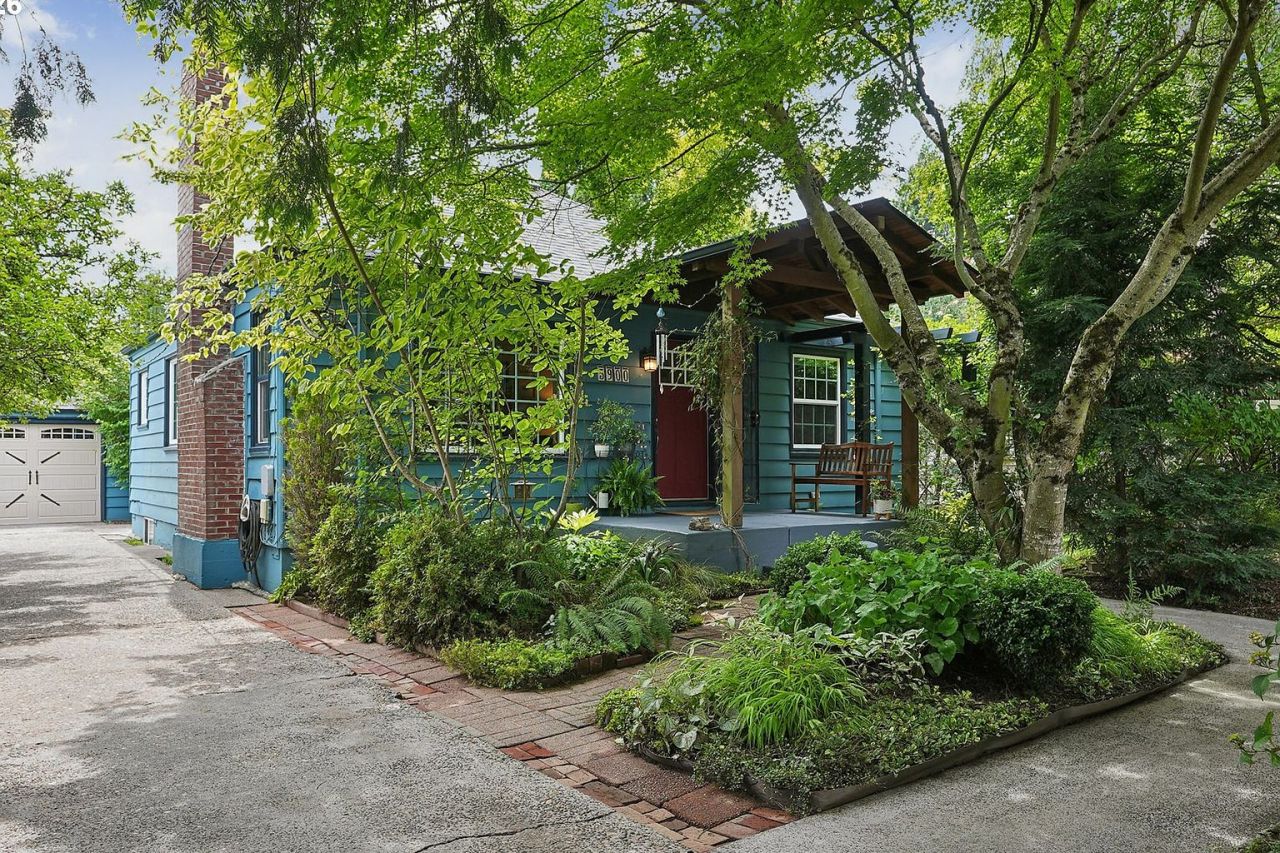
The Craftsman bungalow is the house people picture when they picture Portland: low roof, deep porch, built-ins, a fireplace that may or may not work. They are real, there are thousands of them, and they are not evenly distributed. Here is where they are and what they ask of you.
Where they actually are
Broadly, the neighborhoods that filled in between about 1905 and 1930, which in Portland means the streetcar belt. On the eastside that is a wide band: the blocks around Alberta and Concordia, Beaumont-Wilshire, Buckman, the streets wrapped around Mount Tabor, Woodstock, Sellwood. On the west side, the Northwest District has them mixed in among row houses and apartments.
Each of those neighborhoods carries a different price for a similar house, which is the useful part. If you want the bungalow more than you want any particular street, that flexibility is worth real money. I have had clients save a great deal by being firm on the house and loose on the map.
What you are buying, structurally
A hundred-year-old house that has probably been through three or four rounds of updating, done to three or four different standards. The five things I look at, in order:
- The sewer line. Always scoped, no exceptions. More on why in the sewer post.
- The electrical. Panel capacity, and whether there is knob-and-tube left in the walls. Some insurers care a great deal about the answer.
- The foundation. Whether the house has been bolted to it, and what the crawlspace looks like.
- The roof, and what is under it. Age, layers, and whether the attic has ever been insulated to a modern standard.
- Whatever was done without a permit. The finished basement is where this usually lives.
The costs that surprise people
Not the big renovation. People budget for that. It is the accumulation: a house that leaks heat, single-pane windows in a wet climate, a hundred-year-old sewer line, and a layout that assumed a family who did not own a car.
If you are selling one, Portland's Home Energy Score requirement is part of your timeline, and it catches people out. That is its own piece: what sellers need to know about the Home Energy Score.
What makes one worth more than another
Original detail that survived. Buyers at this end of the market can tell a careful restoration from a flip in seconds, and they pay accordingly. Built-ins, original woodwork, the fireplace surround, real windows rather than vinyl replacements in original openings. A bungalow that kept its character and quietly modernised its systems is the best version of this house, and it is rarer than the listing photos suggest.
If you want one
Be firm on the house, flexible on the neighborhood, fully underwritten before you tour, and clear in advance about how much project you actually want. "Good bones, dated systems" is an excellent purchase when you go in with a number. It is a miserable one when you go in with a feeling.
Start with the guides for the neighborhoods that have them and see which street you respond to: the neighborhood guides are all in one place.
Quick answers.
Which Portland neighborhood has the most bungalows?
There is no single answer, because the whole streetcar belt filled in during the bungalow era. The practical version: if you want the house more than a specific street, several neighborhoods have them at meaningfully different prices, and that flexibility is where the savings are.
Are Portland bungalows a good investment?
The well-kept ones have held value through several cycles, largely because nobody is building more of them. But an older house is a maintenance commitment, and the ones that disappoint are usually the ones bought without a real inspection budget.
What does knob-and-tube wiring mean for buying a bungalow?
It means a conversation with your insurer before you are past contingencies, not after. Some carriers will not write a policy on active knob-and-tube. It is very fixable, but it needs to be priced and scheduled rather than discovered.